No products in the cart.

-28%



Most videos in Bangladesh are shot well and recorded badly. The camera is fine — it is the audio that gives you away: room echo, road noise, wind, a voice that sounds like it came from across the street. The Ulanzi A200 wireless lavalier microphone exists to fix exactly that. It is Ulanzi’s flagship wireless lavalier system — a featherlight 6-gram transmitter, studio-grade 48kHz/24-bit audio, AI noise reduction, and a remarkable 100-meter wireless link. The ulanzi a200 is a complete dual-mic system: two transmitters, one receiver, and a charging case with a digital battery display — built for vlogs, interviews, podcasts, and live streams that sound like they were recorded on purpose.
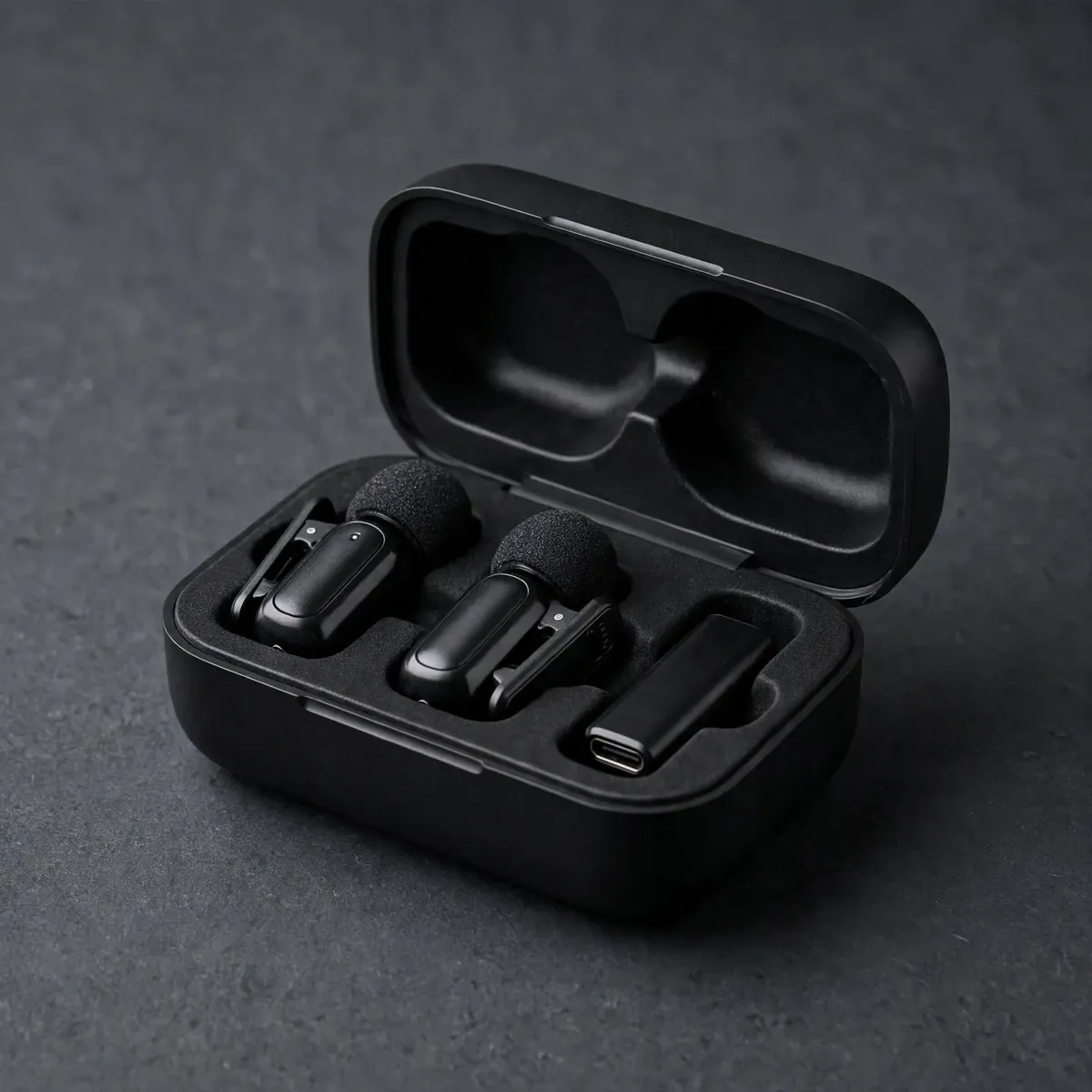
What you get, honestly. The ulanzi a200 clips to a collar and disappears — at just 6 grams per transmitter, you forget you are wearing it, which is exactly what on-camera audio should do. The capsule captures 48kHz/24-bit sound with a signal-to-noise ratio above 75dB and a 120dB maximum SPL, so voices come through clean and detailed while loud moments stay undistorted. AI noise reduction filters street traffic, wind, and crowd chatter in real time. Dual-channel recording runs two transmitters into one receiver, so two voices record in sync. And the charging case stretches roughly 6 hours of transmitter runtime to about 30 hours total.
One clarification before the details, because Ulanzi’s naming runs close: this listing is the Ulanzi A200 — the flagship dual-transmitter wireless lavalier system. It is NOT the Ulanzi A100 (a different model, listed separately), NOT the tiny single-mic Ulanzi A30, NOT the Ulanzi J12 dual kit (a simpler two-mic system on its own listing), NOT the Ulanzi WM-10 family, and NOT the Ulanzi DCM-05. Everything below describes the ulanzi a200 only — if you are comparing models, read the disambiguation FAQ at the bottom before ordering.
Featherlight at Six Grams

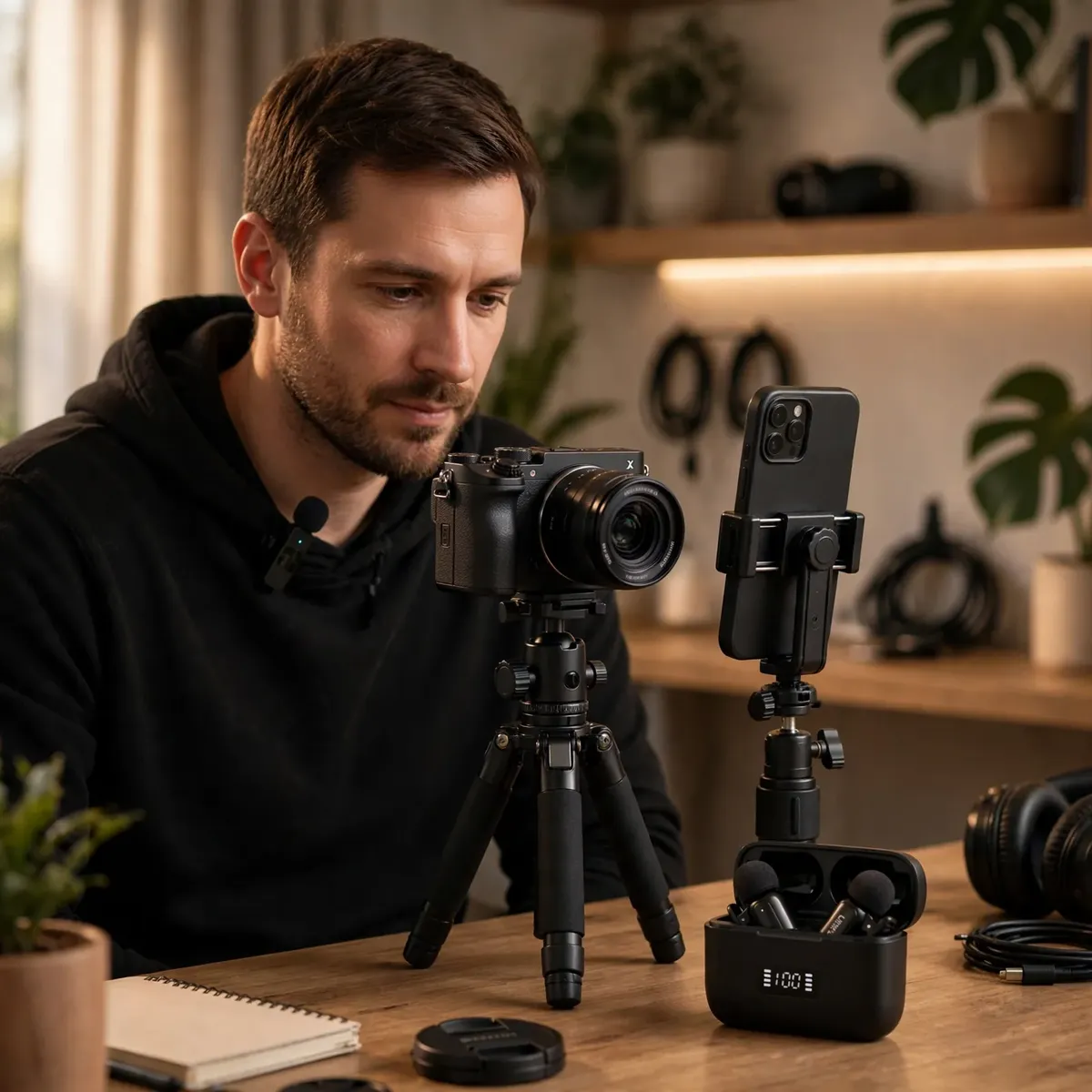
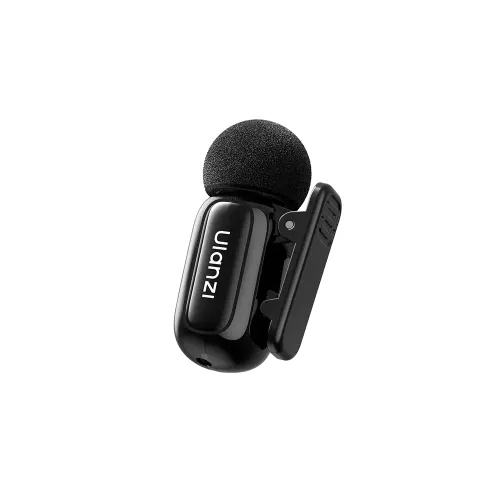
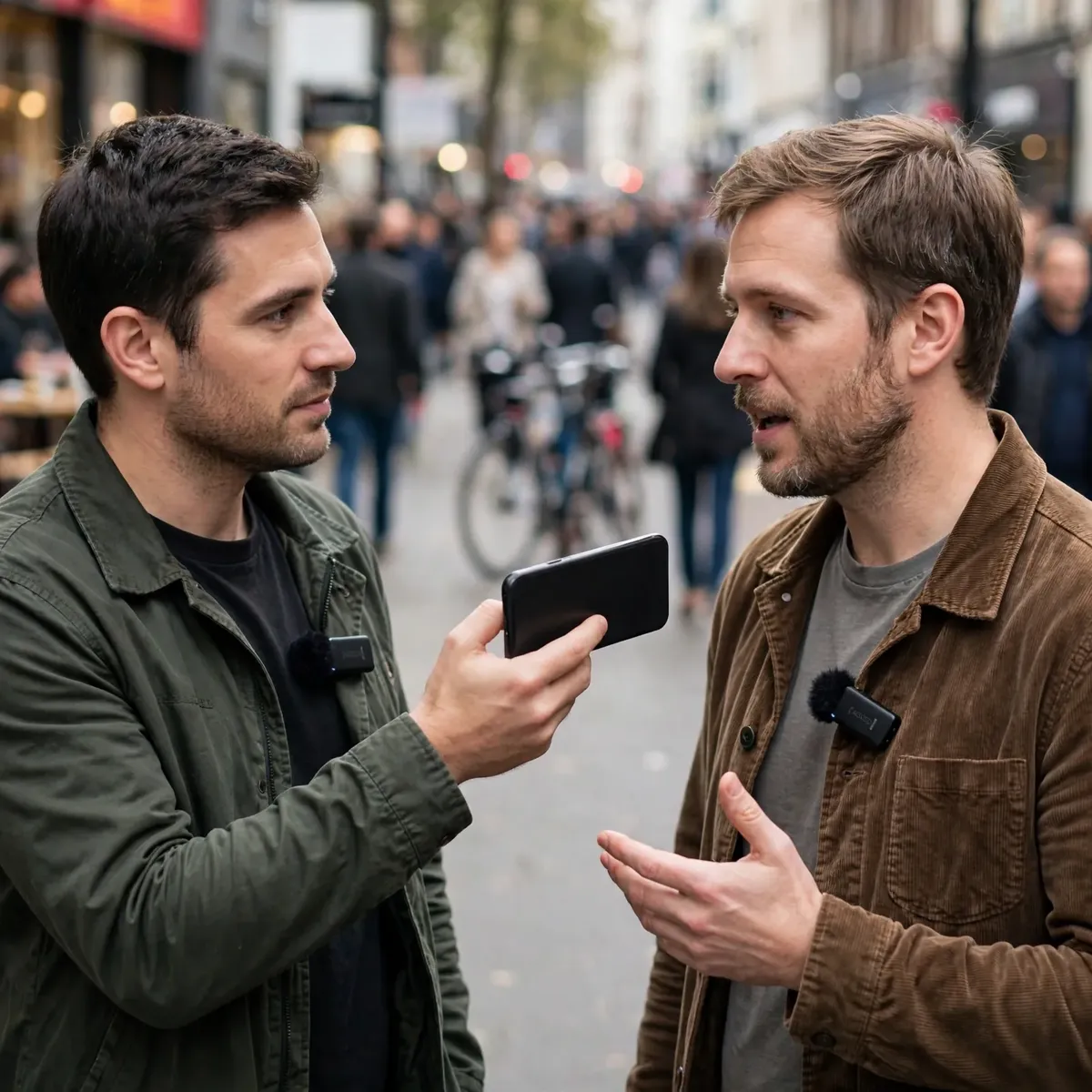
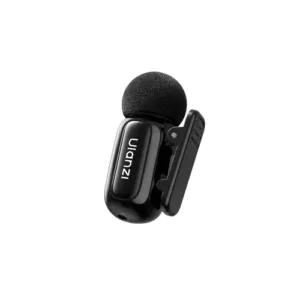
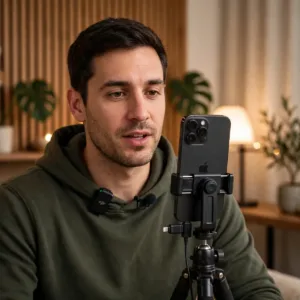
The first thing you notice about the ulanzi a200 is how little there is of it. Each transmitter weighs just 6 grams — a tiny rounded-rectangle clip-on with a foam windshield cap on top and a side clip that grips a collar, lapel, or shirt. On a long shoot that weight matters more than any spec on paper: a mic you stop noticing is a mic you keep wearing, and a mic you keep wearing is the difference between clean close-miked audio and the room sound you were settling for. The shot above shows it clipped to a collar mid-stream — the use case the ulanzi a200 was designed for — riding flat and drawing no attention.
Studio Sound: 48kHz/24-bit
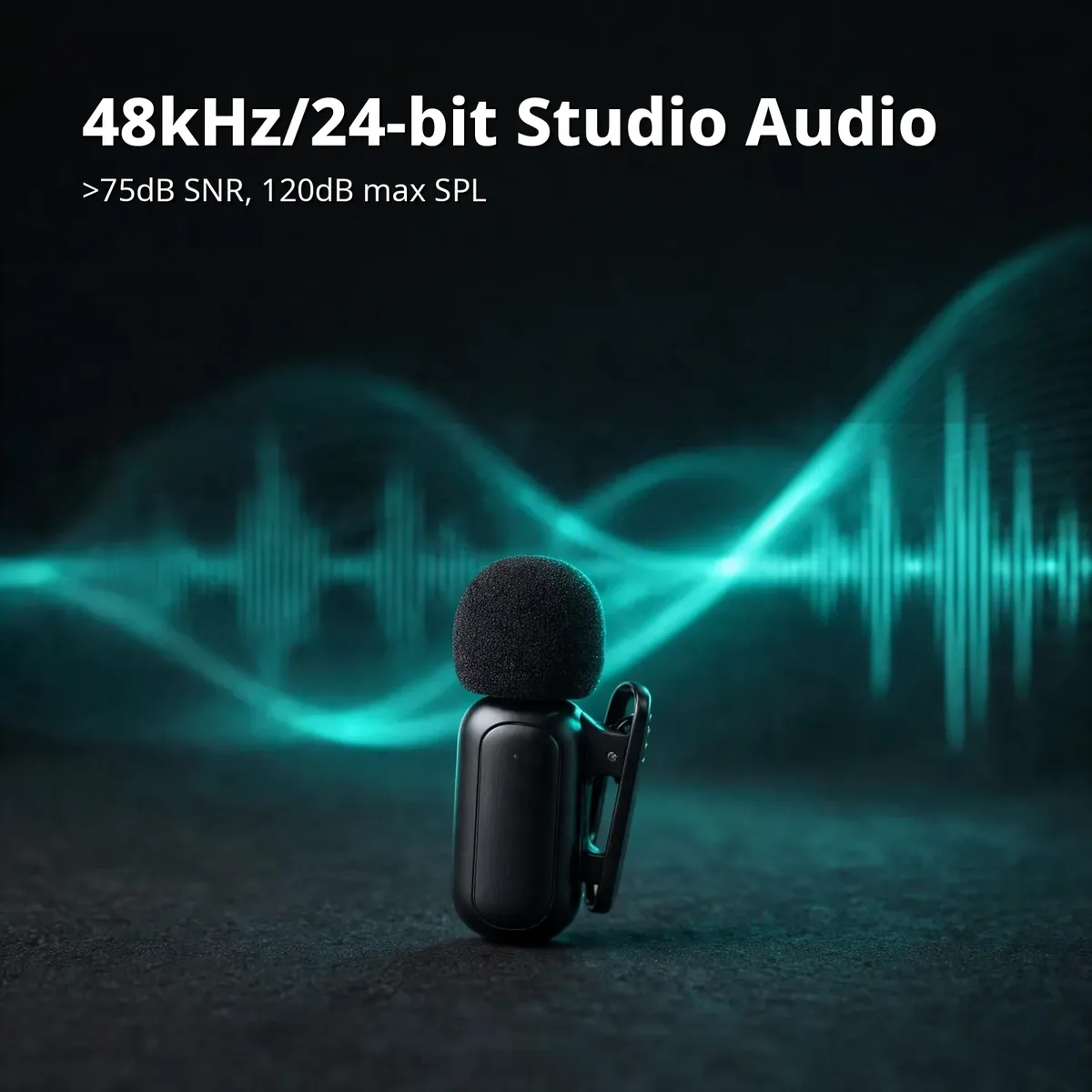
Good audio is not louder audio — it is cleaner audio. The ulanzi a200 records at 48kHz/24-bit, the resolution standard professional video workflows expect, with a signal-to-noise ratio above 75dB that keeps the noise floor low and voices detailed. A 120dB maximum sound pressure level means sudden loud moments — laughter, applause, a bike horn in a street interview — distort far later than they would on a phone mic. The feature card above states it without dressing: 48kHz/24-bit studio audio, over 75dB SNR, 120dB max SPL. In practice, your voice sits forward in the mix and survives compression when you upload.
AI Noise Reduction
The ulanzi a200’s AI noise reduction processes your voice in real time, filtering the background out before it reaches the recording. Street traffic, wind gusts, market crowds, café chatter — the processor separates speech from the noise around it, so the person watching hears you instead of your surroundings. Combined with the foam windshield cap on each transmitter, wind noise gets handled twice — physically at the capsule, intelligently in the processor. It will not erase a construction site, but for the everyday noise of Dhaka streets, markets, and event halls — the places the ulanzi a200 is made for — it is the difference between a usable take and a deleted one.
100 Meters of Wireless Freedom
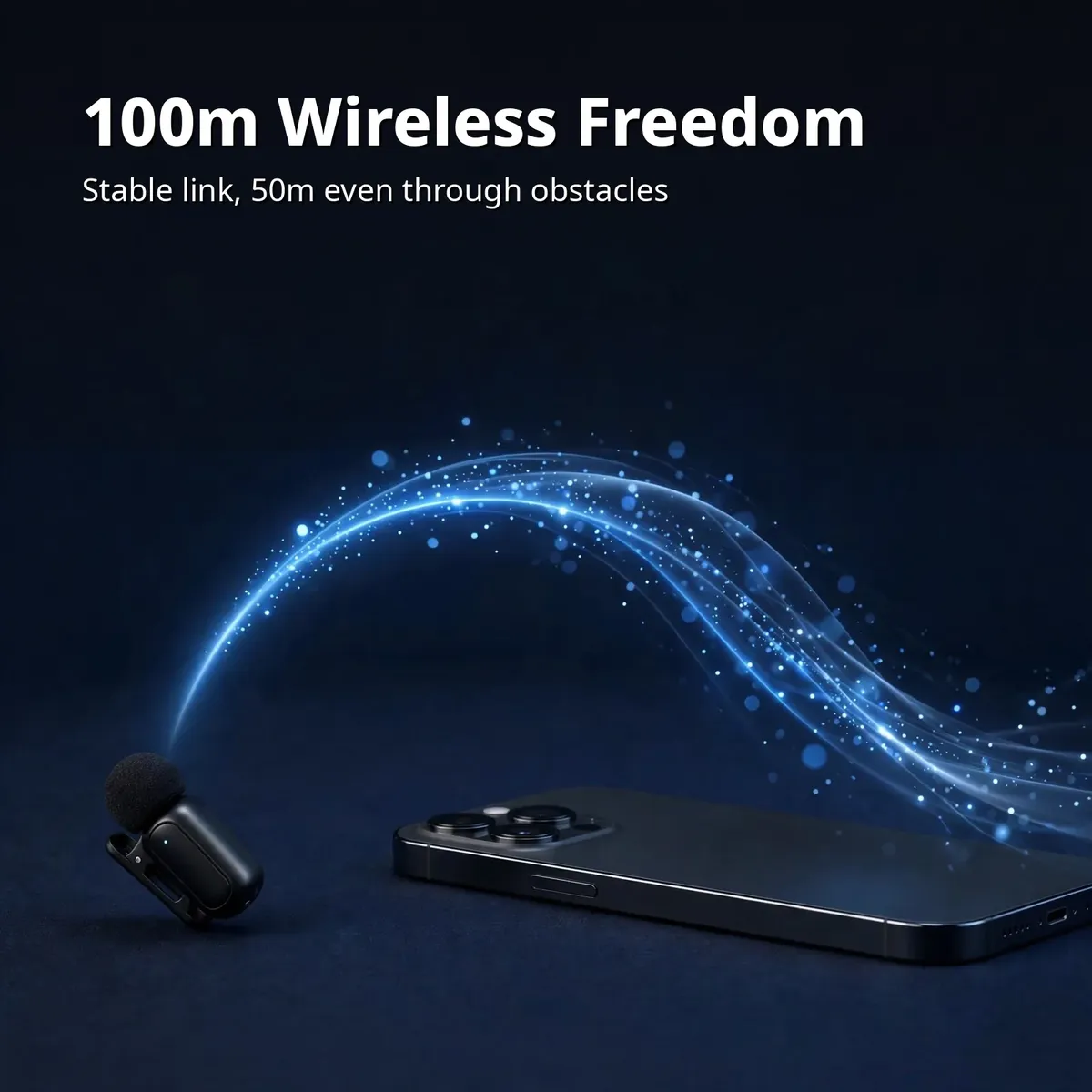
Range is the ulanzi a200’s headline spec, and it earns it. The wireless link reaches 100 meters in clear line of sight — a full football field of separation between the mic and the camera — and holds a stable 50 meters even through obstacles. For wide outdoor sets, wedding venues, real-estate walkthroughs, and event coverage, that link means the camera can stay where the shot is while the subject moves where the story is. Pairing is automatic — no app, no Bluetooth menu — and dual-channel support keeps both transmitters synced to the one receiver, so a two-person interview records both voices with no drift.
Digital Display: Know Your Charge
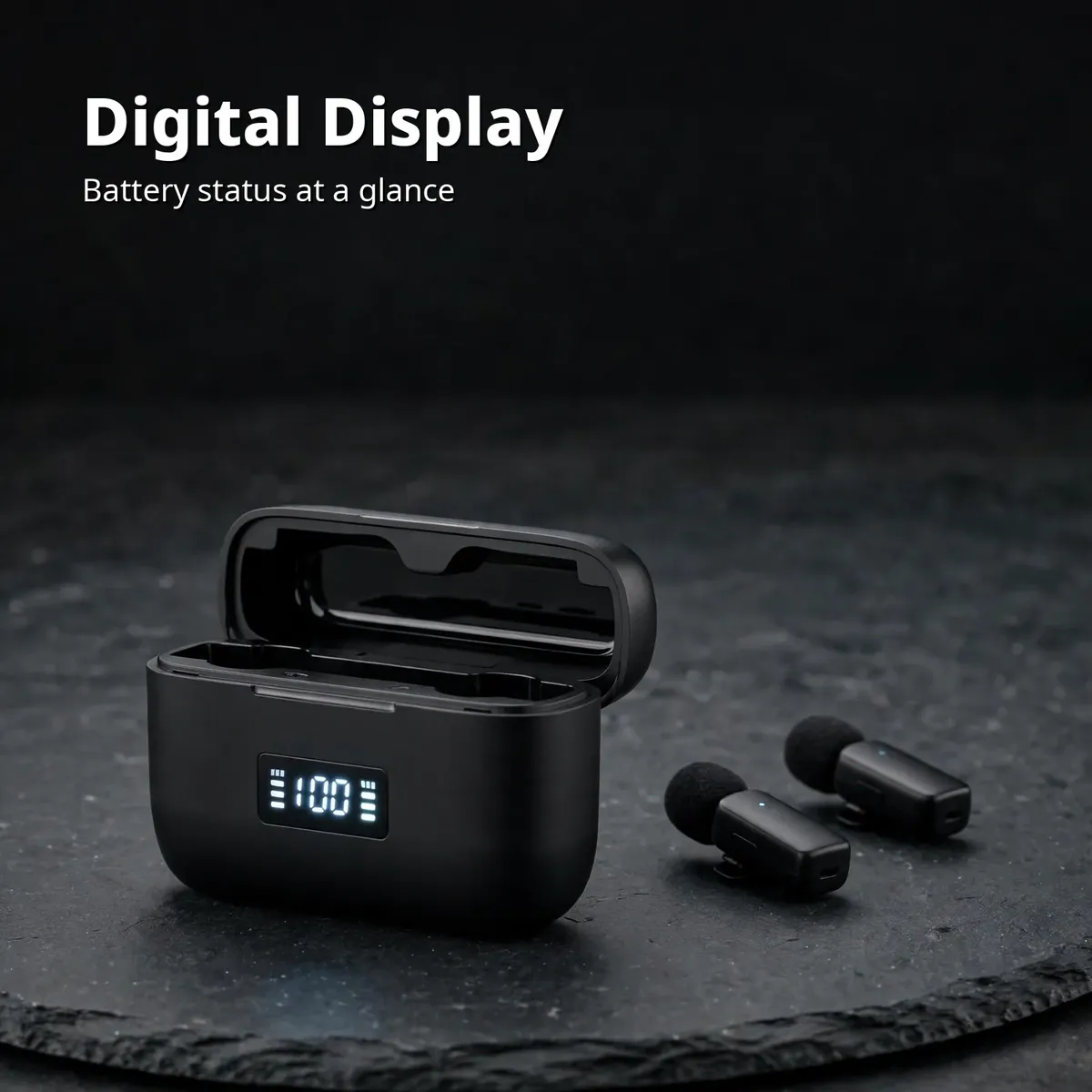
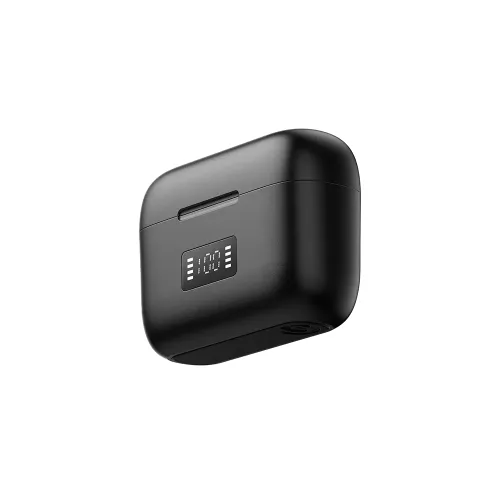
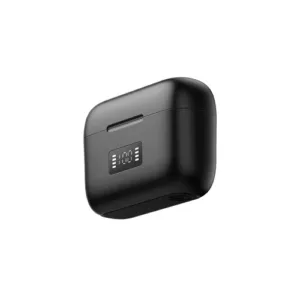
The charging case does more than charge. Its front carries a digital display that shows battery status at a glance — no guessing, no mid-shoot surprises, no tapping an app to check whether the case will survive the afternoon. The card above shows the display lit on the open case: the number you check while packing, between takes, and before the last shot of the day.
Dual Mics. Two Voices. One Take.
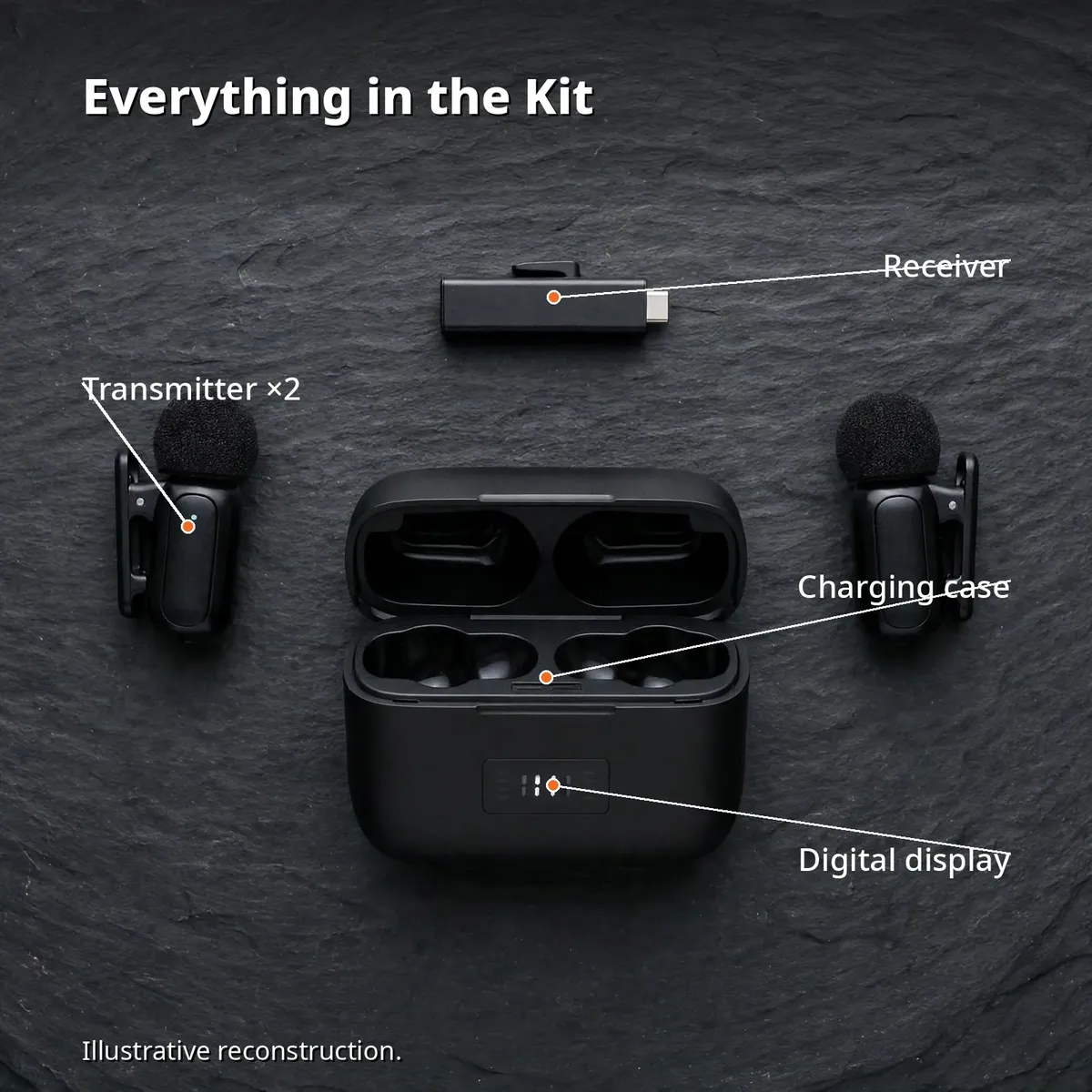
The ulanzi a200 is a dual-mic system, and that changes what you can shoot. Two transmitters and one receiver means two people mic’d at once — interviewer and guest, two hosts, a creator and a collaborator — recording in sync through a single receiver. The kit infographic above maps it out: Transmitter ×2, Receiver, Charging case, Digital display, each leader line landing on the real part. The layout is an illustrative reconstruction, but the kit it describes is the one that ships. Single-mic systems force compromises — passing one mic back and forth, or accepting one voice recorded from across the room. The ulanzi a200 removes that choice entirely.
A Link That Holds at Distance

Long range is only useful if the link is stable, and stability is the ulanzi a200’s quieter promise. The 100-meter line-of-sight figure is the headline, but the working spec is the 50 meters it holds through obstacles — walls, crowds, set furniture — where lesser links stutter and drop. Automatic pairing means the system reconnects without ceremony: power on, and the transmitter finds the receiver on its own. The render above is an illustrative reconstruction of that invisible link, but the behavior it depicts is the product’s core engineering: stop thinking about the mic, set your stage, walk it, and shoot.
Inside the A200
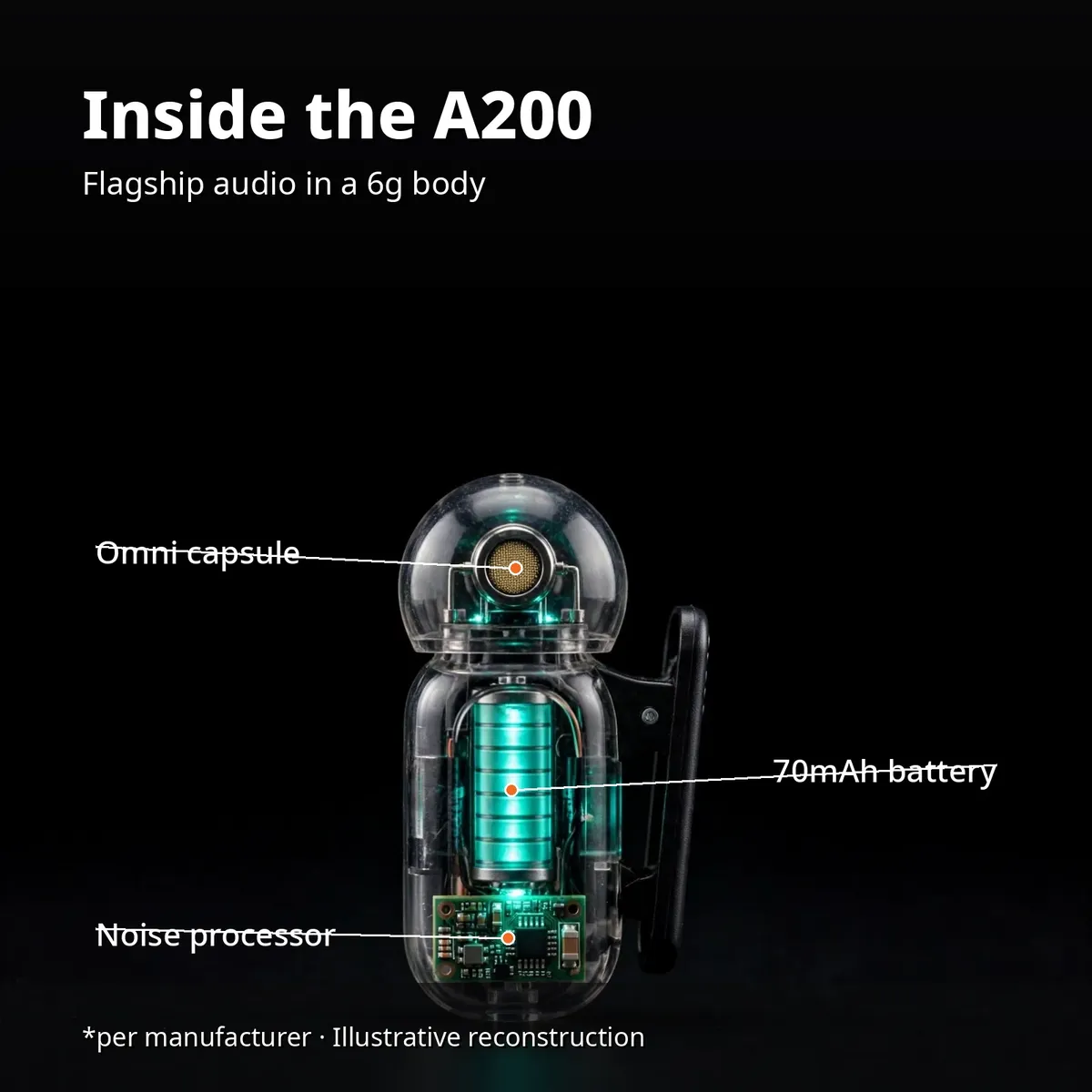
Flagship audio in a 6-gram body has to come from somewhere, so here is the honest anatomy. The x-ray render above is an illustrative reconstruction of the ulanzi a200 transmitter’s listed internals — not a photograph of disassembled hardware — but the architecture it shows is real: the omnidirectional capsule that captures your voice from any angle, the 70mAh cell that powers roughly 6 hours of recording, and the noise processor running the AI reduction. One honest note: some third-party listings quote conflicting capacity figures for this model — this listing’s verified numbers are 70mAh per transmitter, ~6 hours per charge, ~30 hours total. Treat any other capacity figure you see elsewhere as unverified.
Six Hours a Charge, Thirty in the Case
Each ulanzi a200 transmitter runs about 6 hours per charge — a full shooting day of interviews, classes, or event coverage. Dock both transmitters in the charging case and the system stretches to roughly 30 hours of total recording time, recharging between takes without a cable hunt. Two details worth knowing: the digital display keeps the battery question answered at a glance, and the system supports passthrough charging — your phone charges through the receiver while you keep recording, so a long shoot never forces a choice between power and audio.
The Flagship Pick
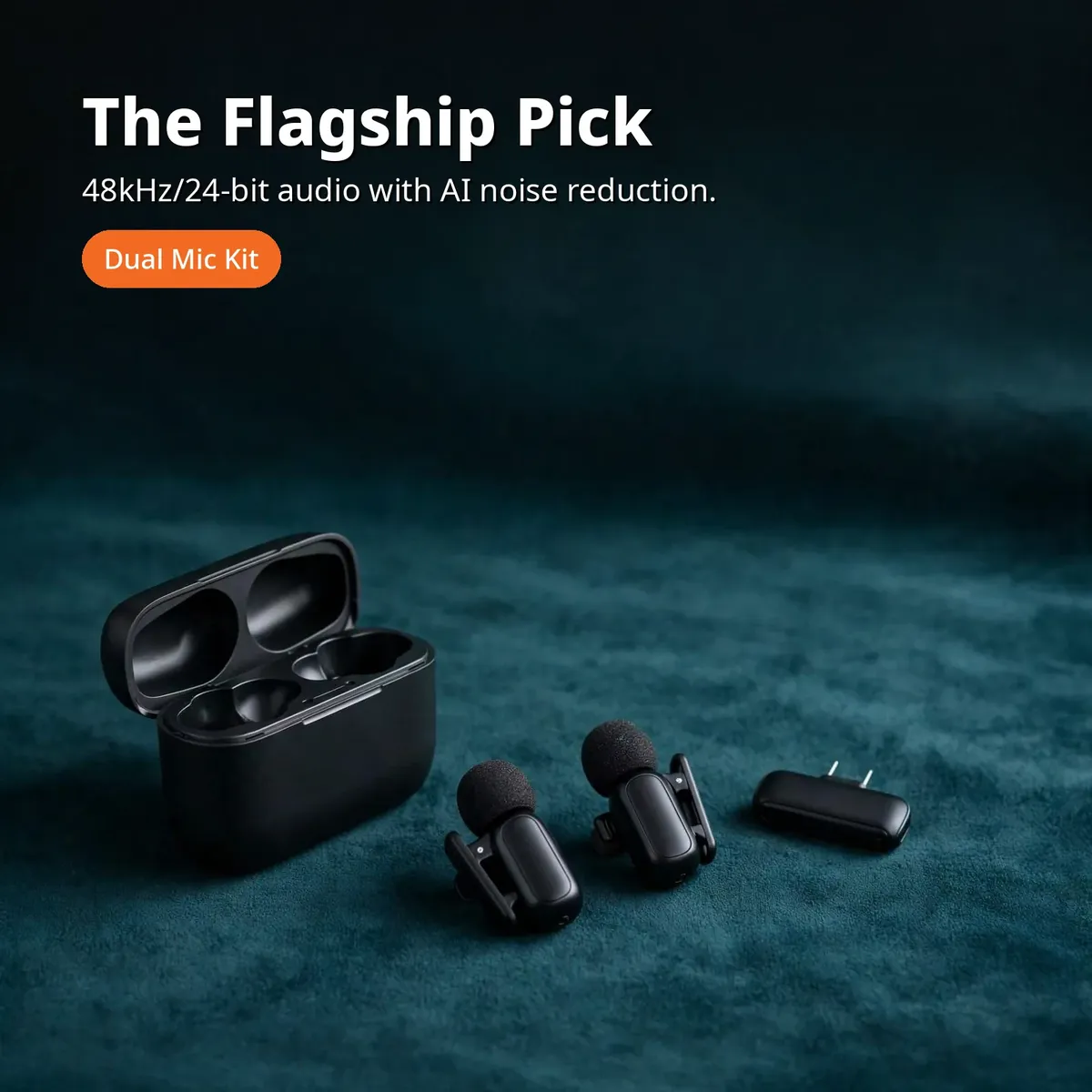
The ulanzi a200 sits at the top of Ulanzi’s wireless lavalier line for a reason: it combines the specs creators actually compare — 48kHz/24-bit audio, AI noise reduction, 100-meter range, dual-channel recording, a digital battery display — in a 6-gram transmitter you can wear all day. The promo above says it plainly: the flagship pick, dual mic kit, studio sound with AI noise reduction.
One last check before you order, because it matters: this page is the Ulanzi A200. Not the A100, not the A30, not the J12, not the WM-10 family, not the DCM-05. If any of those is the model on your shortlist, you are on the wrong listing — go back and compare. If it is the A200, the flagship dual-mic system described above is exactly what ships.
Specifications
| Brand | Ulanzi |
|---|---|
| Model | A200 — Wireless Lavalier Microphone (dual mic kit) |
| Kit contents | 2 × transmitters, 1 × receiver, charging case with digital display |
| Transmitter weight | 6 g per transmitter |
| Audio | 48 kHz / 24-bit |
| Signal-to-noise ratio | > 75 dB |
| Maximum SPL | 120 dB |
| Noise reduction | AI noise reduction |
| Wireless range | 100 m line of sight; 50 m through obstacles |
| Channels | Dual channel — 2 transmitters to 1 receiver |
| Transmitter battery | 70 mAh, approx. 6 hours per charge |
| Total runtime | Approx. 30 hours with charging case |
| Display | Digital battery display on charging case |
| Pairing | Automatic |
| Charging | Passthrough charging — charge phone via receiver while recording |
| Warranty | a 7-day store warranty |
All figures are taken from the verified research notes. This page describes the Ulanzi A200 dual-mic kit in full — do not confuse it with the Ulanzi A100, A30, J12, WM-10, or DCM-05.
Reading the Range Figures Like a Shooter
The ulanzi a200 publishes two range numbers, and the honest difference between them is what makes both useful. One hundred meters is the line-of-sight figure: mic and receiver with nothing between them but air — the wide outdoor set, the open field, the long wedding-venue aisle where the camera stays at the back and the subject works the front. Fifty meters is the through-obstacles figure: the same link holding stable with walls, crowds, and set furniture in the way, which is the condition most real shoots actually happen in.
Plan around the second number and the first becomes headroom. A real-estate walkthrough moves room to room while the camera operator follows or waits — obstacles everywhere, distances well inside fifty meters. An event interview keeps the camera where the frame is good while the host works a crowd ten or twenty meters out. In both cases the ulanzi a200’s link is loafing far inside its stable zone, which is exactly where wireless audio should live: boring, steady, and never the thing you are thinking about mid-take.
That is also why automatic pairing matters more at range than at a desk. When the subject is fifty meters away, a dropped connection you have to walk over and fix is a ruined take and a broken scene; a system whose transmitters find the receiver on their own, and hold both channels in sync when they do, keeps the shoot where it belongs — on the camera side, watching the subject, not walking toward them with a pairing menu open.
The Long Shoot: Passthrough Charging and the Thirty-Hour Rotation
Long shoots kill wireless audio in two ways — the mic dies, or the phone does — and the ulanzi a200 is built against both. Each transmitter runs about 6 hours per charge, and the charging case stretches the system to roughly 30 hours of total recording, so the mic side of the day is a rotation rather than a countdown: transmitters work, dock, refill, and work again, with the case’s digital display telling you at a glance how much reserve the rotation has left.
The phone side is where passthrough charging earns its place. The ulanzi a200 lets your phone charge through the receiver while you keep recording, so a full day of event coverage, classes, or interviews never forces the ugly choice between a powered phone and rolling audio. On the shoots this system is bought for — weddings, multi-session teaching days, travel vlogs far from your own wall sockets — that single feature quietly removes the most common reason long recordings stop early.
Put the two together and the working pattern writes itself: start the day with a full case, read the display while you pack, rotate transmitters through the case between sessions, and let the phone sip power through the receiver during the longest takes. Thirty hours of system runtime is not a spec-sheet flex; divided across a shooting day, it is the difference between planning your content and planning around your batteries.
Why Buy From Gadget Superb
Order the ulanzi a200 from Gadget Superb with cash on delivery anywhere in Bangladesh — pay in cash when the parcel arrives, with no advance payment, card details, or OTPs ever asked. Delivery takes 1–3 working days inside Dhaka (৳70) and 2–5 working days outside Dhaka (৳120). Every order carries 7-day easy returns: keep the microphone in original condition with the box and accessories, and start a return with your order number via hotline 09638054751, care@gadgetsuperb.com, or Messenger. To learn more about the brand behind the mic, visit Ulanzi’s official website.
Explore the full Audio Electronics collection or compare Microphones to find the right fit.
Frequently Asked Questions
Is this the Ulanzi A200 or the A100?
This is the Ulanzi A200 — the flagship dual-transmitter wireless lavalier system with a 100-meter range and a digital-display charging case. It is not the Ulanzi A100 (a different model, listed separately), nor the tiny single-mic A30, the simpler J12 dual kit, the WM-10 family, or the DCM-05. If you want the A200’s spec set — 48kHz/24-bit, AI noise reduction, 100m range — you are on the right page.
What comes in the Ulanzi A200 kit?
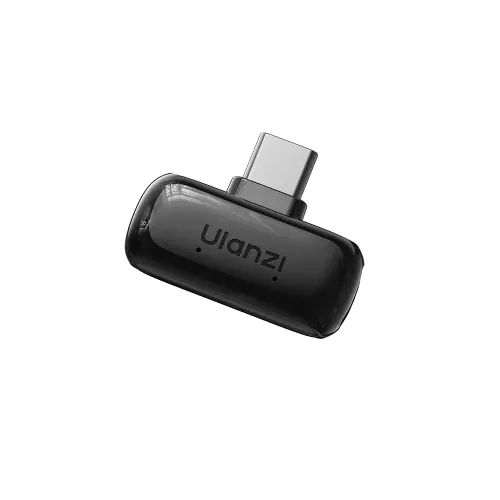
The verified kit contents are two wireless transmitters (each with a foam windshield cap and side clip), one slim receiver, and the charging case with its digital battery display. The “Everything in the Kit” infographic above maps each part. If a specific cable or adapter matters to you, confirm the exact box contents with the store — hotline 09638054751 — before ordering, rather than assuming.
How long does the Ulanzi A200 battery last?
Each transmitter runs approximately 6 hours per charge, and docking in the charging case stretches total recording time to roughly 30 hours. The case’s digital display shows battery status at a glance. Note: some third-party listings quote different capacity figures — this listing’s verified numbers are 70mAh per transmitter, ~6 hours per charge, ~30 hours total.
What is the wireless range of the Ulanzi A200?
The ulanzi a200 reaches 100 meters in clear line of sight and holds a stable link at 50 meters even through obstacles. That is the range that separates it from shorter-range lavalier systems: the camera can stay where the shot is while the subject moves freely. Walls and heavy interference shorten any wireless link in practice, so keep line of sight where you can for the longest takes.
Does the AI noise reduction really work outdoors?
The ulanzi a200’s AI noise reduction processes voice in real time, filtering street traffic, wind, and crowd chatter so your voice leads the recording. Combined with the foam windshield caps, wind noise is handled both physically and intelligently. It will not silence a construction site, but for streets, markets, cafés, and event halls — the everyday noise of real shoots — it is the difference between a usable take and a deleted one.
What audio quality does the Ulanzi A200 record?
The ulanzi a200 records at 48kHz/24-bit with a signal-to-noise ratio above 75dB and a 120dB maximum SPL. In plain terms: clean, detailed voice capture with a low noise floor, and loud moments that distort far later than they would on a phone microphone.
How do the transmitters pair with the receiver?
Pairing is automatic — the transmitters find the receiver on their own when powered up, with no app, no Bluetooth menu, and no settings to hunt through. Dual-channel support keeps both transmitters synced to the single receiver, so two-person recordings stay in sync.
What does the digital display show?
The charging case’s digital display shows battery status at a glance — the number you check while packing, between takes, and before the last shot of the day. It answers the oldest wireless-mic anxiety (will the mic die mid-shoot?) with a readout instead of a guess.
Can I charge my phone while recording with the Ulanzi A200?
Yes. The ulanzi a200 supports passthrough charging — your phone charges through the receiver while you keep recording. On long shoots, that removes the forced choice between keeping the phone powered and keeping the audio rolling.
What warranty does the Ulanzi A200 come with?
This microphone comes with a 7-day store warranty. If you need the exact terms, confirm them with the store — hotline 09638054751, care@gadgetsuperb.com, or Messenger — before placing your order.
How long does delivery take, and what are the charges?
Inside Dhaka, delivery costs ৳70 and takes 1–3 working days; outside Dhaka, it costs ৳120 and takes 2–5 working days. These are estimates, not guarantees. Your order ships once you place a cash-on-delivery order.
What is the price of the Ulanzi A200 in Bangladesh?
The current price is shown on the product page and can change during sales, so no figure is quoted here. Check the live Ulanzi A200 page on Gadget Superb for today’s price — that is what you pay in cash on delivery, plus the standard delivery fee.
Can I record with one transmitter while the other charges in the case?
Yes — that rotation is built into the dual-mic design. The ulanzi a200’s two transmitters work independently into the one receiver, so a solo creator can record on one transmitter while the second refills in the charging case, then swap. With about 6 hours per transmitter and roughly 30 hours of total system runtime with the case, the rotation covers a full shooting day; for two-person recording, both transmitters run together and recharge between sessions instead.
How does cash on delivery work? Can I check the microphone before paying?
Cash on delivery means you pay the courier in cash when the parcel arrives. Gadget Superb never asks for advance payment, card details, OTPs, or mobile-banking PINs. Couriers generally do not allow opening a parcel before payment, so check your ulanzi a200 right after the courier leaves and contact the store within the 7-day return window if anything is wrong.
How do I look after the foam windshield caps and the transmitters?
The foam windshield cap on each transmitter does double duty — it softens breath pops and gives the AI noise reduction physical help against wind — so keep the caps clean and dry, and let them air out after a humid outdoor shoot rather than sealing them away damp. The transmitters themselves ask only for the case: dock them after every session so storage and charging happen in the same motion, and the 6-gram bodies stay protected instead of loose in a bag. That is the entire maintenance routine.
Related products
-26%
76 in stock
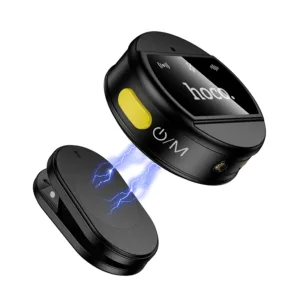

Hoco L22 Bright 2-in-1 wireless Microphone with Case
Original price was: ৳ 2,870.৳ 2,120Current price is: ৳ 2,120.-20%
77 in stock
Ulanzi Type C to Lighting Adapter for A100 microphone
Original price was: ৳ 600.৳ 480Current price is: ৳ 480.-27%
70 in stock
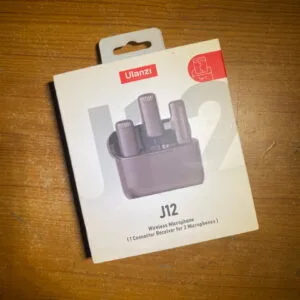
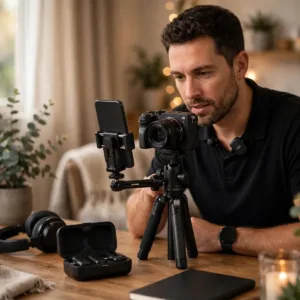
Ulanzi J12 Dual Wireless Microphone for Android With Charging Case For Type-C
Original price was: ৳ 4,110.৳ 3,000Current price is: ৳ 3,000.-28%
30 in stock

MAONO PD300X USB/XLR Dynamic Microphone
Original price was: ৳ 13,200.৳ 9,490Current price is: ৳ 9,490.-21%
173 in stock

Wind Pop Filter For Microphone With Adjustable Arm
Original price was: ৳ 520.৳ 410Current price is: ৳ 410. Ulanzi A200 Wireless Lavalier ...
Original price was: ৳ 8,190.৳ 5,890Current price is: ৳ 5,890.
50 in stock
Reviews
There are no reviews yet.